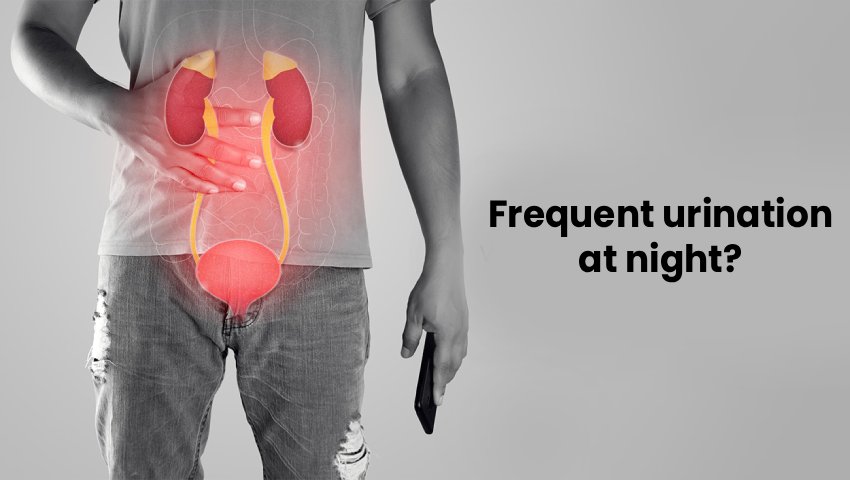
Do you often wake up multiple times at night to pass urine and wonder if it is normal? Frequent urination at night, also called nocturia, is more than just a disturbance to your sleep. In many cases, it can be an early sign of an underlying health condition such as diabetes, kidney disease, urinary tract infection, or an enlarged prostate. Ignoring it may affect your sleep quality, daily energy, and long-term health. If you are searching for the best hospital in PCMC, Pune, with trusted urology doctors, Apex Hospital stands out with more than 20+ years of experience in advanced urological care. Known as a 24/7 emergency hospital for frequent urination at night, Apex Hospital has become the preferred choice for patients dealing with urinary frequency at night, kidney stones, enlarged prostate, and other urinary conditions. In this blog, we will guide you through causes, treatments, and when to consult a urologist at Apex Hospital.
What Is Frequent Urination at Night (Nocturia)?
- Definition: Nocturia means waking up one or more times during the night to pass urine. It’s not just occasional; frequent urination at night means it is happening often enough to disturb sleep.
- How common is it? Many people, both young and old, experience it occasionally. But when it becomes regular (say 2-3 times or more per night), it’s called urinary frequency at night or severe nocturia.
Common Causes of Frequent Urination at Night:
Here are some reasons why someone might have frequent urination in men or women at night:
- Fluid Intake Timing: Drinking a lot of fluids, especially caffeine or alcohol, close to bedtime increases urine production.
- Overactive Bladder: The bladder muscle contracts too often, causing frequent urges.
- Benign Prostatic Hyperplasia (BPH) (in males): Enlargement of the prostate can block urine flow, causing more frequent urination at night.
- Urinary Tract Infections (UTIs): Infections irritate the bladder lining, increasing urgency and frequency.
- Kidney Problems & Diabetes: Poor kidney function, high blood sugar (in uncontrolled diabetes), or conditions like diabetes insipidus cause higher urine output.
- Heart Failure, Edema, or Circulatory Issues: Fluid builds up in the legs during the day; when lying down at night, fluid returns to the bloodstream and is excreted by the kidneys.
- Medications: Diuretics (“water pills”) or some other medicines may have effects that increase nighttime urination.
- Pregnancy (for women): The growing uterus presses on the bladder; hormone changes affect kidney function.
- Age: As we age, bladder capacity decreases; night-time antidiuretic hormone (which reduces urine at night) may not work as well.
- Other causes: anxiety, sleep disorders, prostate surgery history (for men), bladder stones, and neurological conditions.
When to Worry: Is It a Serious Urological Problem?
Frequent urination at night may just be mild, but sometimes it suggests something more serious:
- If it’s sudden and severe
- If associated with pain, burning, or blood in the urine.
- If you also have lower back pain, unexplained weight loss, or swelling of the legs
- If there are signs of other problems like diabetes (thirst, frequent urination also during the day), heart failure (breathlessness, swelling), or prostate enlargement
At Apex Hospital, urology doctors at PCMC Pune emphasise that persistent nocturia should be evaluated—especially if it affects sleep quality or everyday life.
How Frequent Urination at Night Affects Health:
Poor sleep affects:
- Mood, energy, and concentration
- Immunity and healing
- Risk of falls, especially in the elderly
- Heart health, metabolic balance
If untreated, the underlying cause can worsen (e.g., prostate condition, kidney disease).
Diagnosis Approach at Apex Hospital:
At Apex Hospital, our expert urology doctors follow a step-by-step approach:
- Detailed History: number of times you urinate, fluid intake, symptoms like pain or blood.
- Physical Examination: abdomen check, prostate check for men.
- Laboratory Tests: urine test, blood sugar, and kidney function.
- Imaging: ultrasound of bladder, kidney, prostate.
- Advanced Tests: urodynamic studies, PSA (for prostate), sleep studies if needed.
This helps in identifying the exact cause of urinary frequency at night.
Treatment Options for Frequent Urination at Night:
Treating nocturia depends on the cause. At Apex Hospital, treatment may involve:
- Lifestyle Changes: Restrict fluid intake in the evenings, avoid caffeine/alcohol late at night, and empty bladder before sleeping.
- Medications:
- For infection: antibiotics
- For overactive bladder: anticholinergic or antimuscarinic drugs
- For BPH in males: medications to shrink the prostate or relax the muscle
- Hormonal Treatment: Desmopressin is sometimes used when the body does not produce enough antidiuretic hormone and there is nocturnal polyuria.
- Surgical / Minimally Invasive Procedures: In case of prostate enlargement, bladder outlet obstruction, or other correctable anatomical issues.
- Adjunct Therapies: Addressing sleep disorders, weight management, and treating underlying systemic diseases (like diabetes and heart disease).
- Alternative / Supportive Remedies: Some people try home remedies, Ayurvedic, or homeopathic methods. These should always be used under guidance and not as a substitute for medical advice.
What Are the Possible Complications or Risks of Not Treating Frequent Urination?
- Chronic sleep deprivation → fatigue, poor mental health
- Increased risk of urinary tract infections, kidney damage if retention is present
- Worsening of underlying disease (untreated diabetes, BPH, kidney problems)
- Reduced quality of life and risk of accidents (falls at night)
How Do I Know If I Am Urinating Too Much?
Ask yourself:
- How many times do I wake up at night to urinate over past few weeks? If more than 2 times regularly, that may be considered frequent.
- Do I feel urgency or discomfort?
- Do I have other symptoms: burning, pain, blood, swelling, thirst, dry mouth?
- Is there a pattern with fluid intake, medications?
Keeping a voiding diary (record when you drink, how much, when you pass urine, how much, at what times) is very helpful.
How to Stop Frequent Urination: Prevention Tips from Apex Hospital:
Here are practical tips to reduce urinary frequency at night:
- Cut down on fluids 2-3 hours before bedtime.
- Avoid caffeine, spicy food, alcohol in evening.
- Empty bladder fully before going to sleep.
- Elevate legs in evening if fluid build-up in lower limbs.
- Use compression stockings during day if swelling.
- Review any medications with your doctor; maybe shift timing.
- Maintain healthy weight, manage chronic diseases (diabetes, hypertension).
- Practice bladder training: increasing intervals during day.
Why Choose Apex Hospital for Urological Care in PCMC, Pune?
Patients across PCMC, Pune trust Apex Multispeciality Hospital for urinary problems like frequent urination at night, kidney stones, prostate issues, and bladder conditions. Here’s why:
- Expert Urology Team: Apex Hospital has some of the best urology doctors in PCMC, Pune, experienced in treating frequent urination at night, kidney stones, enlarged prostate, and bladder infections.
- 24/7 Emergency Urology Care: As a 24/7 emergency hospital in PCMC, Apex Hospital provides immediate treatment for sudden urinary blockage, severe kidney pain, or blood in urine.
- Advanced Diagnostics and Modern Facilities: The hospital offers ultrasound, CT scan, digital X-ray, and advanced lab services along with laser treatments for kidney stones, prostate surgery, piles, and varicose veins.
- Comprehensive Urological Care: Patients receive complete care from diagnosis, consultations, and lab tests to medicines, surgery, and long-term follow-up under one roof.
- Patient-Friendly Experience: Apex Hospital ensures clear communication, a compassionate medical team, and hassle-free cashless treatment with major health insurance providers.
Consult the Best Urology Specialist in Pune at Apex Hospital:
Frequent urination at night is not just a small inconvenience—it can be a signal of an underlying health issue that needs proper attention. If you are looking for the top urology hospital in PCMC, Pune, Apex Hospital is trusted for advanced care, accurate diagnosis, and effective treatment. Our urology clinic in PCMC provides complete evaluation and management for nocturia, kidney stones, prostate problems, and urinary tract conditions. With 20+ years of expertise, we are recognised among the Best Nocturia Treatment Hospitals in Pune, India. Whether you need a quick check-up or urgent care, our team is available 24/7. Book your urology appointment at Apex Hospital, the Best Multispeciality Hospital in PCMC, Pune, and take the first step towards better health. Call us today at +91 98341 50838.
FAQs: Nocturia Treatment in PCMC, Pune
Even without drinking lots of water, your body may still make more urine due to hormonal imbalance (less antidiuretic hormone at night), kidney issues, medications, BPH, or conditions like diabetes.
Yes, especially in males. Enlarged prostate (BPH) can block urinary flow, causing frequent urination including at night. Urologists check size and function of prostate during diagnosis.
Waking once to urinate is fairly common. More than twice regularly can be considered frequent. But what’s “normal” also depends on fluid intake, age, health.
Often yes. Many causes are treatable or manageable: infections, bladder overactivity, prostate issues. With proper diagnosis and treatment, symptoms can reduce or go.
If it’s happening often, disturbing your sleep, causing fatigue, or associated with pain, burning, blood, swelling—or if you suspect diabetes or kidney problems—see a urologist at a 24/7 emergency hospital like Apex Hospital in PCMC.
Recent Posts

Gallstones: Symptoms, Causes, Diagnosis and When Surgery Is Needed?

Sleep Apnea: Symptoms, Health Risks and When You Should See a Doctor?

Thyroid Disorders: Symptoms You Shouldn’t Ignore

Diabetes and Foot Care: Preventing Complications

Heart Disease Prevention – Tips for a Healthy Heart

Diabetes: What It Is, Causes, Symptoms, Treatment & Types

Chest Pain: Heart-Related or Gas Problem

Lifestyle Diseases: The Silent Killers of Modern India

Why Constipation Happens? Early Signs You Should Never Ignore