Noticing a blood in stool warning sign can be alarming—and it should never be ignored. While piles (hemorrhoids) are among the most common causes of rectal bleeding, sometimes it may indicate a more serious medical condition. Understanding the difference between harmless and dangerous symptoms helps you seek timely care. Apex Multispeciality Hospital, Kalewadi, PCMC, with more than 20+ years of experience, stands out as a trusted center for accurate diagnosis and advanced treatment, ensuring patients receive expert care and long-lasting relief.
What Does Blood in Stool Actually Mean?
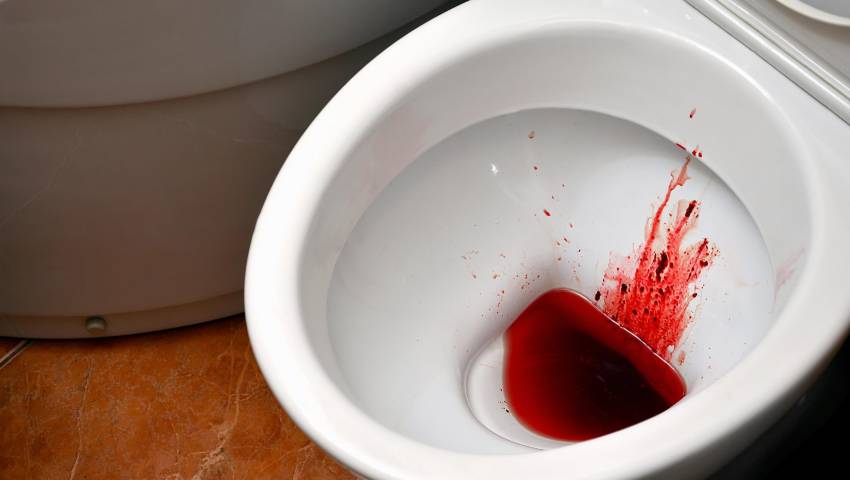
Blood in stool appears in two ways, and each one tells a different story:
1. Bright Red Blood:
Usually seen on toilet paper or on the surface of the stool
Mostly linked to piles, fissures, or rectal injury
2. Dark Blood / Black Tarry Stool (Melena):
Indicates bleeding from the upper digestive tract
Can be associated with ulcers, infections, or serious intestinal diseases
Both types require attention, especially if the bleeding continues for more than a couple of days.
Common Causes of Blood in Stool:
Piles (Hemorrhoids):
Piles occur when rectal veins swell due to strain or constipation. Symptoms include:
Bright red blood during bowel movement
Itching around the anus
Pain or discomfort while sitting
A feeling of incomplete evacuation
If untreated, piles may worsen and require advanced procedures like Laser Piles Treatment in PCMC, available at Apex Hospital.
2. Anal Fissures:
Small tears in the anal lining are caused by hard stools, constipation, or trauma. Key symptoms:
Sharp pain during and after passing stool
Bright red blood
Burning sensation
Laser treatment offers quick relief with minimal pain.
3. Anal Fistula:
An infected tunnel between the anal canal and skin. Warning signs:
Blood mixed with pus
Persistent pain
Swelling near the anus
This requires medical attention and often laser fistula treatment.
4. Gastrointestinal Conditions:
These include:
Inflammatory Bowel Disease (IBD)
Crohn’s disease
Ulcerative colitis
Polyps
Infections
These conditions cause abdominal pain, diarrhea, mucus discharge, and bleeding.
5. Colorectal Cancer (Serious Cause):
Although less common, persistent blood in stool may be a sign of colorectal cancer. Look out for:
Unexplained weight loss
Changes in bowel habits
Fatigue
Continuous bleeding
Early diagnosis greatly improves treatment success.
When Is Blood in Stool a Serious Warning Sign?
Seek immediate medical help if you notice:
Bleeding for more than 2–3 days
Severe pain or swelling
Blood mixed with mucus or pus
Black-colored stool
Sudden unexplained weight loss
Change in bowel habits (diarrhea/constipation)
Family history of gastrointestinal disease or cancer
Ignoring persistent bleeding can lead to complications.
Symptoms That Indicate Piles:
You may be dealing with piles if you experience:
Itching or irritation around the anus
Red blood during bowel movement
Painful lumps
Burning sensation
Discomfort while sitting
A specialist evaluation at Apex Hospital ensures early identification and fast recovery.
Diagnosis at Apex Multispeciality Hospital, PCMC:
At Apex Hospital, we use advanced tools for accurate diagnosis:
Physical Examination
Proctoscopy
Colonoscopy
Ultrasound / Imaging (if needed)
Blood tests
Our expert surgeons ensure a comfortable, safe, and precise diagnostic process.
Expert surgeons with years of experience \Advanced Laser Technology for piles, fissure, and fistula
High success rate
Minimal pain & fast recovery
State-of-the-art diagnostic facilities
Trusted care by one of the Best Multispeciality Hospitals in Kalewadi & PCMC
Apex Hospital provides complete gastrointestinal and anorectal care under one roof.
Conclusion:
Blood in stool is not something you should ignore. While piles are a common cause, sometimes the bleeding may indicate a more serious health issue. Early diagnosis and treatment can prevent complications and ensure faster healing.
If you notice persistent bleeding, pain, or discomfort, visit Apex Multispeciality Hospital, Kalewadi, PCMC for expert evaluation and advanced treatment. Book an Appointment for timely care and proper diagnosis.