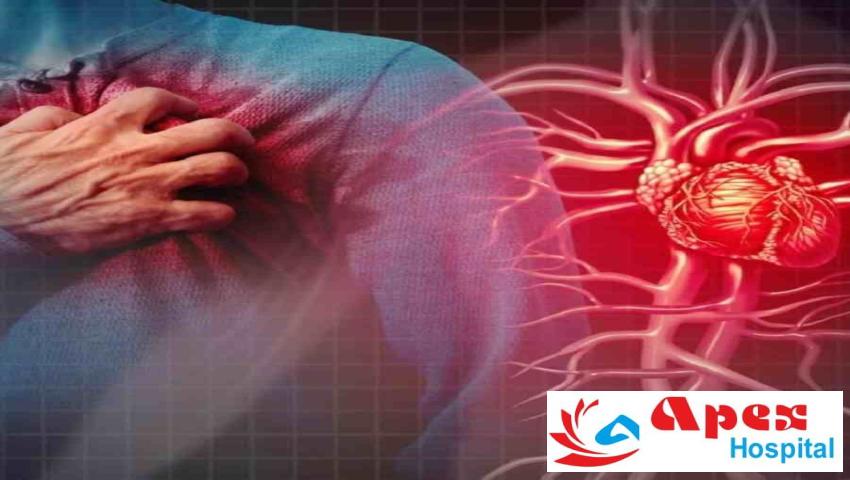
Chest pain is a common health concern among adults in India. But not all chest pain is related to the heart. Sometimes, it can be caused by digestive issues like gas, acidity, or acid reflux. Understanding Chest Pain: Heart-Related or Gas Problem is very important, because early diagnosis can prevent serious health problems.
At Apex Multispeciality Hospital, Kalewadi, a trusted Cardiology Hospital in PCMC, patients are guided by experienced doctors to find the exact cause of their chest pain and receive the right treatment, whether it is heart care or digestive management.
What Can Cause Chest Pain?
Chest pain can have multiple causes. The most serious ones are heart-related, but it can also occur due to digestive issues, muscle strain, or stress.
Heart-Related Causes:
Heart Attack (Myocardial Infarction): Severe, crushing pain in the chest center that may spread to the arm, jaw, or back. Often comes with sweating, nausea, or shortness of breath.
Angina: Feeling of tightness or pressure in the chest, usually triggered by stress or physical activity.
Pericarditis: Sharp pain caused by inflammation around the heart.
Gas-Related Causes:
Indigestion or Acid Reflux: Burning or discomfort in the chest, usually after eating.
Gas Accumulation: Trapped gas can cause sharp pain in the upper stomach or chest.
Hiatal Hernia: Part of the stomach pushes into the chest, causing chest discomfort.
How to Tell Heart Pain from Gas Pain?
It can be tricky to know whether chest pain is from the heart or digestive system:
Heart Pain: Feels heavy, tight, or pressing. May be accompanied by sweating, shortness of breath, dizziness, or nausea. Pain can spread to the arm, shoulder, jaw, or back. Usually occurs during physical activity or stress.
Gas Pain: Sharp, stabbing, or bloated feeling. Often improves after passing gas or burping. Usually related to meals or digestion.
Even if you think it is gas, chest pain should never be ignored. Visiting a trusted Cardiology Hospital in PCMC or the Best Hospital in Pimpri-Chinchwad ensures safety and timely treatment.
When Should You See a Doctor?
Immediate medical attention is necessary if you notice:
Severe or crushing chest pain
Pain spreading to the arm, jaw, shoulder, or back
Shortness of breath
Excessive sweating, nausea, or vomiting
Dizziness or fainting
For mild chest discomfort that might be gas-related, consult a doctor if it continues, worsens, or affects your daily life. At Apex Multispeciality Hospital, Kalewadi, patients receive a full evaluation to identify the cause of chest pain.
How Doctors Diagnose the Cause?
At the Best Multispeciality Hospital in PCMC, modern diagnostic tools help determine whether the chest pain is heart-related or due to digestive issues:
ECG (Electrocardiogram): Checks heart rhythm and detects abnormalities.
Blood Tests: Measures cardiac enzymes to detect heart attacks.
Echocardiogram: Ultrasound to examine heart structure and function.
Endoscopy: To detect acid reflux, gastritis, or ulcers.
Ultrasound/X-ray: Identifies trapped gas or hiatal hernia.
Accurate diagnosis helps doctors provide the right treatment quickly and safely.
Treatment Options:
Heart-Related Chest Pain
Medications: Blood thinners, beta-blockers, nitrates, or cholesterol-lowering drugs.
Procedures: Angioplasty or bypass surgery if needed.
Dietary Adjustments: Avoid oily, spicy, or gas-producing foods.
Medications: Antacids, acid reducers, or digestive enzymes.
Lifestyle Changes: Eat small regular meals, avoid overeating, exercise, and manage stress.
Early care at a Cardiology Hospital in PCMC or Apex Multispeciality Hospital, Kalewadi ensures quick relief and long-term health.
Tips to Prevent Chest Pain:
Simple lifestyle changes can reduce the risk of heart problems and gas-related chest pain:
Eat a balanced diet with fruits, vegetables, and whole grains.
Exercise regularly – walking, yoga, or light workouts.
Avoid smoking, excess alcohol, and caffeine.
Manage stress through meditation, hobbies, or relaxation techniques.
Regularly monitor blood pressure, sugar, and cholesterol levels.
Preventive care at the Best Multispeciality Hospital in PCMC helps maintain both heart and digestive health.
Why Choose Apex Multispeciality Hospital?
Experienced cardiologists and gastroenterologists available under one roof
Modern diagnostic tools for accurate evaluation
Patient-focused care emphasizing prevention and treatment
Recognized as Best Multispecialty Hospital in PCMC and Best Hospital in Pimpri-Chinchwad
Conveniently located at Kalewadi, easily accessible from all parts of PCMC
Whether your chest pain is heart-related or digestive, expert care at Apex Multispeciality Hospital, Kalewadi, a trusted Cardiology Hospital in PCMC, ensures proper diagnosis and treatment.
Conclusion:
Chest pain should never be ignored. Knowing whether it is heart-related or caused by gas is vital for your safety. Early diagnosis, lifestyle changes, and timely treatment can prevent serious complications.
For expert care, diagnosis, and personalised treatment, rely on Apex Multispeciality Hospital, Kalewadi — your trusted partner for heart and digestive health in PCMC.