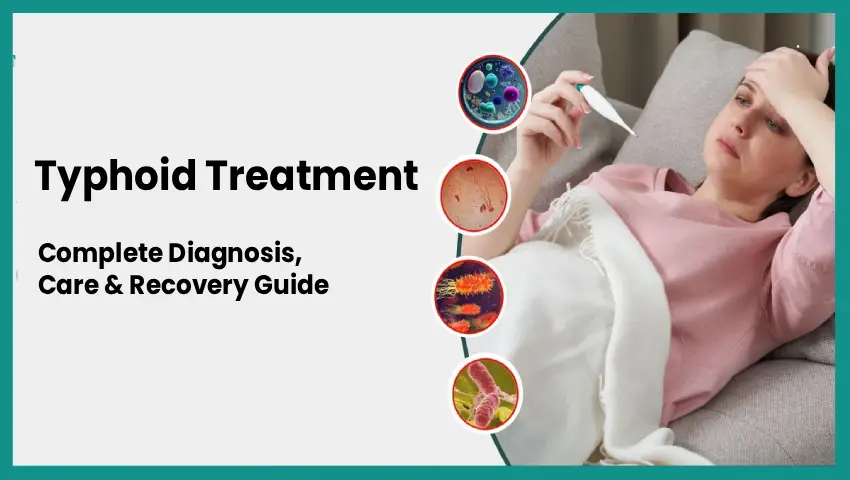
What are the best options for typhoid treatment in PCMC, Pune? How can you get fast, accurate care and avoid serious complications? Typhoid, a bacterial infection caused by Salmonella Typhi, remains a growing concern in urban areas like Pimpri-Chinchwad, Thergaon, and Kalewadi. Recognizing early typhoid symptoms in Pune such as high fever, weakness, stomach pain, or loss of appetite is critical for timely medical attention. At Apex Multispeciality Hospital, our experienced typhoid doctors in Pune ensure precise diagnosis with advanced testing methods like blood culture for typhoid, while offering personalized, evidence-based treatment.
We follow modern, effective strategies to tackle challenges like antibiotic resistance typhoid, using the latest typhoid antibiotic treatment in Pune. Whether it’s IV fluid therapy to manage dehydration or 24/7 support for emergency cases, we are committed to delivering reliable and compassionate care. As one of the best multispeciality hospitals in PCMC, Pune, Apex is your trusted destination for complete typhoid treatment in PCMC, Thergaon, or Kalewadi—ensuring safe recovery and long-term well-being.
What is Typhoid Fever?
Typhoid fever is a serious infection caused by the Salmonella Typhi bacteria. It spreads through contaminated food or water and mainly affects the intestines and bloodstream. If not treated early, it can lead to severe complications. Unlike common stomach infections, typhoid needs quick medical care and proper antibiotic treatment. Every year, millions of people get typhoid, especially in areas with poor sanitation and unsafe drinking water. In India, typhoid remains a common health problem, particularly in urban areas. Symptoms usually include high fever, weakness, stomach pain, and sometimes rash or diarrhea. With early diagnosis and the right treatment, most people recover fully.
How Does Typhoid Spread?
Typhoid fever spreads through the fecal-oral route when bacteria pass into people’s mouths through contaminated sources. The main transmission methods include:
- Contaminated food and water containing bacteria from infected individuals
- Poor hygiene practices after using the washrooms
- Direct contact with infected persons or carriers
- Contaminated surfaces touched by infected individuals
- Flies and insects that transfer bacteria from faces to food
Risk Factors of Typhoid:
Several factors increase your risk of contracting typhoid fever:
- Travel to endemic areas with poor sanitation
- Poor hygiene habits and inadequate handwashing
- Consumption of raw or undercooked food from street vendors
- Drinking untreated water or using contaminated ice
- Living in crowded conditions with poor sanitation
- Young age – children are more susceptible
- Recent antibiotic use that may have weakened gut bacteria
- Immunocompromised conditions like AIDS
At Apex Multispeciality Hospital in PCMC, Pune, we help you stay safe by offering early diagnosis, proper treatment, and prevention tips to avoid typhoid infection.
What are the Stages of Typhoid?
Typhoid fever progresses through four distinct stages, each lasting approximately one week:
Stage 1 (Week 1):
- Bacteria enter the bloodstream
- High fever starting low and gradually increasing
- Headache and general body aches
- Weakness and fatigue
Stage 2 (Week 2):
- Bacteria multiplies rapidly
- Rose-colored rash appears on the chest and abdomen
- Abdominal pain and distension
- Constipation or diarrhea
Stage 3 (Week 3):
- Serious complications may develop
- Severe abdominal symptoms
- Mental confusion in severe cases
- Risk of intestinal bleeding
Stage 4 (Week 4):
- Recovery phase with proper treatment
- Complications like perforation are possible without treatment
- Gradual improvement of symptoms
Symptoms and Early Warning Signs of Typhoid:
Typhoid symptoms usually appear 6 to 30 days after exposure and can vary from mild to severe depending on the stage of infection. Early diagnosis greatly improves recovery and helps avoid complications.
Early Symptoms (First Week):
Recognizing early signs is key to getting timely treatment:
- High fever up to 104°F (40°C)
- Headache, body aches, and weakness
- Loss of appetite and noticeable weight loss
- Abdominal pain and mild discomfort
- Dry cough, sore throat
- Constipation is more common than diarrhoea
Advanced Symptoms (Later Weeks):
If not treated early, the infection can worsen:
- Rose-colored spots on the chest and abdomen
- Swollen liver or spleen
- Severe stomach swelling
- Confusion or drowsiness (delirium)
- Intestinal bleeding in critical cases
If you notice these signs, visit Apex Multispeciality Hospital in PCMC, Pune, where our typhoid specialists offer prompt care and support.
Who is at Risk of Typhoid Infection?
The risk of typhoid increases in places with poor hygiene, unsafe water, or crowded living conditions.
High-Risk Groups:
- Children under 15 years – most commonly affected
- Travelers to regions like South Asia and Africa
- People living in slums or low-sanitized areas
- Those with weak immune systems (e.g., diabetes, HIV)
- Healthcare workers exposed to infected patients
- Food vendors or handlers without hygiene practices
If you fall into any of these groups and feel unwell, don’t delay. Top infectious disease specialists in Pune at Apex Hospital provide expert care and accurate diagnosis to treat typhoid effectively.
Diagnostic Approach to Typhoid at Apex Multispeciality Hospital:
At Apex Multispeciality Hospital, we use the most accurate diagnostic methods available:
Blood Culture Test:
- Gold standard for typhoid diagnosis
- 100% specific when positive
- Best performed in the early days of infection
- Results available within 2-5 days
Advanced Diagnostic Options:
- Typhidot Test: Quick antibody detection with 75% sensitivity
- Widal Test: Traditional but less reliable method
- Blood culture-PCR: Enhanced sensitivity for difficult cases
- Bone marrow culture: Most sensitive when blood culture fails
Typhoid Treatment Protocols at Apex Multispeciality Hospital:
At Apex Best Hospital in PCMC, Pune, our typhoid treatment follows the latest medical guidelines, using safe and effective antibiotics to treat both simple and drug-resistant cases.
Antibiotic Treatment:
Our infectious disease specialists use WHO-recommended antibiotics based on the severity:
- Azithromycin – for mild to moderate cases (5–7 days)
- Ceftriaxone (injection) – for severe or hospitalised cases
- Ciprofloxacin – used carefully, depending on resistance
For drug-resistant typhoid, we use:
- Carbapenems or Tigecycline
- Combination therapy in serious or complicated cases
Hospitalization Criteria:
Patients are admitted if they have:
- Severe dehydration, high fever over 104°F
- Abdominal pain, possible intestinal issues
- Mental confusion or are elderly with other health problems
Supportive Care:
- IV fluids and ORS for hydration
- Electrolyte balance for safe recovery
- Soft, high-protein diets to rebuild strength
Recovery Process and Aftercare:
Recovery from typhoid fever depends on timely treatment and proper care. At Apex Multispeciality Hospital in PCMC, Pune, we closely monitor each patient’s progress to ensure complete healing and avoid relapse.
Recovery Timeline:
Most patients see fever improvement within 3–5 days after starting antibiotics. Complete recovery usually takes 2–4 weeks, during which patients regain strength and energy. Doctors may advise follow-up stool or blood cultures to confirm the infection is fully cleared. A gradual return to normal activities is recommended to avoid weakness or fatigue.
Post-Recovery Care:
- Three negative stool cultures confirm you’re bacteria-free
- Nutritional rehabilitation includes soft, high-protein meals to build strength
- Typhoid vaccination may be suggested to prevent future infections
- Improved hygiene, clean drinking water, and safe food habits are essential to avoid reinfection
Our team ensures complete support during and after your treatment.
Typhoid Recovery Diet Plan:
During recovery from typhoid, eating the right food is essential. At Apex Multispeciality Hospital in PCMC, Pune, we recommend soft, nutritious meals that are easy to digest.
Foods to Eat During Recovery:
- Boiled rice and porridge for easy digestion
- Clear soups and broths for hydration
- Bananas and soft fruits for potassium
- Boiled vegetables like carrots and spinach
- Lean proteins like boiled chicken and eggs
- Yogurt and probiotics for gut health
Foods to Avoid:
- Spicy and oily foods that irritate the intestines
- Raw vegetables and fruits that may harbor bacteria
- Street food and unhygienic preparations
- Unpasteurized dairy products
- Alcoholic beverages during treatment
A well-balanced, safe diet helps rebuild immunity and speeds up recovery.
Complications of Typhoid:
If typhoid fever is not treated in time, it can lead to serious and life-threatening complications.
Serious Complications Without Treatment:
- Intestinal perforation and bleeding
- Sepsis and bloodstream infection
- Meningitis and brain involvement
- Pneumonia and respiratory complications
- Kidney and liver damage
- Death occurs in 10-30% of untreated cases
Preventive Tips by Apex Multispeciality Hospital:
At Apex Multispeciality Hospital in PCMC, Pune, we believe prevention is the first step to staying safe from typhoid. Simple daily habits can protect you and your family from infection.
Personal Hygiene Measures:
- Wash hands frequently with soap and water
- Use alcohol-based sanitizers when soap unavailable
- Avoid touching your face with unwashed hands
- Maintain personal cleanliness at all times
Food and Water Safety:
- Drink only boiled or bottled water
- Avoid ice unless made from safe water
- Eat hot, freshly cooked food
- Avoid street food and raw preparations
- Wash fruits thoroughly before consumption
Environmental Precautions:
- Ensure proper sanitation in living areas
- Use clean toilets with proper waste disposal
- Keep surroundings clean and fly-free
- Store food properly in refrigerated conditions
Why Choose Apex Multispeciality Hospital for Typhoid Treatment?
Why do thousands of patients trust Apex Multispeciality Hospital in PCMC, Pune, for typhoid care? Because we combine medical expertise, advanced technology, and compassionate care to deliver results you can rely on.
- 20+ Years of Experience in treating complex typhoid and infectious disease cases across Pune.
- Board-certified specialists and experienced general physicians on staff.
- 24/7 typhoid emergency care with a rapid response team for severe and late-stage cases.
- Advanced diagnostic tools, including blood culture, Typhi Dot, and Widal test for accurate and timely diagnosis.
- NABH-accredited multispeciality hospital, ensuring high clinical and hygiene standards.
- State-of-the-art ICU and isolation wards for managing critical typhoid cases and preventing spread.
- Personalized treatment plans based on drug resistance, patient history, and symptom severity.
- Integrated multidisciplinary care, involving dietitians, nurses, and specialists for complete recovery.
- Strong success record and positive patient testimonials, establishing trust in the community.
- Post-treatment follow-up system for ensuring bacterial clearance and long-term health.
- Preventive care focus, including hygiene education and typhoid vaccination advice.
Typhoid Treatment Cost in Pune, India:
Typhoid treatment costs in Pune, India, depend on the severity and treatment type. Outpatient care includes consultation (₹400–₹800), diagnostic tests like Typhidot and blood culture (₹500–₹2,000), and medicines (₹200–₹1,500), with total expenses ranging from ₹1,500–₹5,000. For hospitalized cases, private room charges are ₹2,000–₹5,000/day, ICU care ranges from ₹5,000–₹10,000/day, and a 5–7 day stay typically costs ₹15,000–₹50,000. Complicated cases may exceed ₹1,00,000. Apex Multispeciality Hospital in PCMC, Pune, offers affordable and advanced typhoid care with transparent pricing, expert doctors, and support for insurance claims—making it a trusted choice for patients in Thergaon, Kalewadi, and Pimpri-Chinchwad.
Typhoid Vaccination at Apex Multispeciality Hospital:
At Apex Multispeciality Hospital in PCMC, Pune, typhoid vaccines are easily available and recommended for both children and adults, especially in high-risk areas like Thergaon and Kalewadi.
Types of Vaccines Offered:
- Typhoid Conjugate Vaccine (TCV): Single dose, over 87% effective, safe from 6 months of age.
- Vi Polysaccharide Vaccine: Injectable, 50–70% effective, suitable for older children and adults.
- Ty21a Oral Vaccine: Ideal for travellers, offers protection in capsule form.
Benefits of Getting Vaccinated at Apex Hospital:
- Long-term protection for up to 4–5 years
- Reduces severity even if infection occurs
- Helps build community immunity
- Administered by experienced doctors and pediatricians
Visit Apex Hospital today to protect yourself and your family with safe and effective typhoid vaccination.
Emergency Typhoid Treatment Services at Apex Hospital:
Apex Multispeciality Hospital offers 24/7 typhoid emergency care in Pune, ensuring immediate support for serious or rapidly worsening cases. Patients are quickly assessed by top infectious disease specialists in Pune, followed by on-spot diagnostic tests to confirm typhoid. If needed, emergency hospitalization and critical care support are provided without delay.
You should seek emergency care if you have a fever above 104°F, continuous vomiting, signs of severe dehydration (like dry mouth or dizziness), intense abdominal pain, or mental confusion. These symptoms could signal complications like intestinal perforation or systemic infection, which require urgent medical attention. For those in Pimpri-Chinchwad, Thergaon, or Kalewadi, Apex Hospital is fully equipped to handle typhoid emergencies with rapid response teams, advanced facilities, and round-the-clock medical care.
Get Effective Typhoid Fever Treatment at Apex Multispeciality Hospital:
Don’t ignore the early signs of typhoid fever—timely treatment can save you from serious complications. At Apex Multispeciality Hospital in PCMC, Pune, we offer trusted, affordable, and advanced care for typhoid under the guidance of the best doctors for typhoid in Pimpri Chinchwad, Pune. Whether you’re in Kalewadi, Thergaon, or anywhere in PCMC, our hospital provides 24/7 support, quick diagnosis, and personalized treatment plans. With a strong team of typhoid specialists, advanced labs, and a holistic approach to recovery, we are among the top multispeciality hospitals for typhoid fever treatment in Pune. Call us now at +91 98341 50838 and take the first step towards safe and complete recovery.
FAQs:
Yes, typhoid can relapse if antibiotics are not completed properly. Always finish the full course even if you feel better.
Eat soft, bland foods like boiled rice, clear soups, and bananas. Avoid spicy food, raw vegetables, and street food.
Untreated typhoid may lead to intestinal bleeding, sepsis, meningitis, or liver damage. Timely treatment at Apex Hospital prevents such risks.
Yes, typhoid spreads through contaminated food or water. A patient may remain contagious for up to 2–4 weeks after recovery.
Most people can resume normal activities within 2–3 weeks. Food handlers need medical clearance and negative stool tests.
Apex Multispeciality Hospital is trusted for typhoid care in PCMC. Call +91 98341 50838 to book an appointment with the best typhoid doctors in Pune.
Recent Posts

Gallstones: Symptoms, Causes, Diagnosis and When Surgery Is Needed?

Sleep Apnea: Symptoms, Health Risks and When You Should See a Doctor?

Thyroid Disorders: Symptoms You Shouldn’t Ignore

Diabetes and Foot Care: Preventing Complications

Heart Disease Prevention – Tips for a Healthy Heart

Diabetes: What It Is, Causes, Symptoms, Treatment & Types

Chest Pain: Heart-Related or Gas Problem

Lifestyle Diseases: The Silent Killers of Modern India

Why Constipation Happens? Early Signs You Should Never Ignore