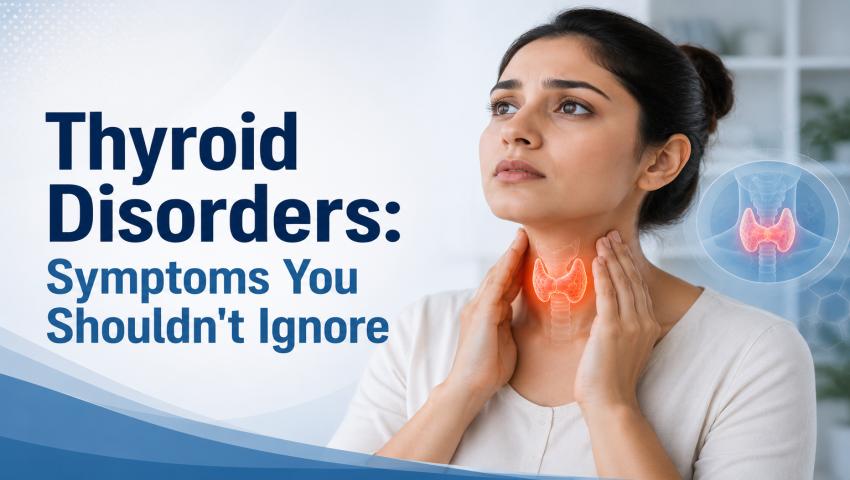
The thyroid is a small, butterfly-shaped gland located at the front of your neck, but it has a significant impact on your overall health. It produces hormones that regulate your metabolism, heart rate, body temperature, energy levels, and many other essential body functions.
When the thyroid gland produces too much or too little hormone, it can lead to thyroid disorders that affect your physical and emotional well-being. Because the symptoms often develop gradually and may resemble other health conditions, thyroid disorders are frequently overlooked.
Recognizing the warning signs early and seeking timely medical care can help prevent long-term complications.
What Is the Thyroid Gland?
The thyroid gland produces two important hormones:
Thyroxine (T4)
Triiodothyronine (T3)
These hormones help regulate:
Metabolism
Heart function
Body temperature
Digestion
Brain function
Muscle strength
Menstrual cycles
Growth and development
The production of thyroid hormones is controlled by Thyroid Stimulating Hormone (TSH), which is released by the pituitary gland.
Common Types of Thyroid Disorders:
1. Hypothyroidism (Underactive Thyroid):
In hypothyroidism, the thyroid gland does not produce enough hormones, causing body functions to slow down.
Common Symptoms
Constant tiredness
Weight gain despite normal eating habits
Feeling cold more often
Dry skin
Hair thinning or hair loss
Constipation
Depression or low mood
Slow heart rate
Puffy face
Hoarse voice
Muscle weakness
Memory problems or poor concentration
Heavy or irregular menstrual periods
2. Hyperthyroidism (Overactive Thyroid):
Hyperthyroidism occurs when the thyroid produces excessive hormones, speeding up body functions.
Common Symptoms:
Unexplained weight loss
Increased appetite
Rapid or irregular heartbeat
Nervousness or anxiety
Tremors in the hands
Excessive sweating
Heat intolerance
Frequent bowel movements
Difficulty sleeping
Muscle weakness
Irritability
Bulging eyes (in Graves’ disease)
3. Thyroid Nodules:
Thyroid nodules are lumps that develop in the thyroid gland. Most are non-cancerous, but they should always be evaluated by a healthcare professional.
Possible Symptoms:
Lump in the neck
Difficulty swallowing
Hoarseness
Neck discomfort
Difficulty breathing (large nodules)
4. Goiter:
A goiter is an enlargement of the thyroid gland that may occur with either hypothyroidism or hyperthyroidism.
Symptoms Include:
Swelling in the front of the neck
Tightness in the throat
Difficulty swallowing
Persistent cough
Hoarseness
Symptoms That Should Never Be Ignored:
Consult your doctor if you experience:
Unexplained weight changes
Persistent fatigue
Heart palpitations
Hair loss
Swelling in the neck
Changes in your voice
Difficulty swallowing
Depression or anxiety without a clear cause
Heat or cold intolerance
Menstrual irregularities
Tremors
Memory or concentration problems
These symptoms may indicate a thyroid disorder and should not be ignored.
Who Is at Higher Risk?
You may have a higher risk of thyroid disease if you:
Are over 35 years of age
Have a family history of thyroid disorders
Are female
Have an autoimmune disease
Have diabetes
Are pregnant or have recently delivered a baby
Have had radiation treatment to the neck
Have iodine deficiency or excess iodine intake
How Are Thyroid Disorders Diagnosed?
1. Blood Tests:
TSH
Free T3
Free T4
Thyroid antibodies (if autoimmune disease is suspected)
2. Imaging Tests:
Thyroid ultrasound
Thyroid scan (in selected cases)
3. Fine Needle Aspiration (FNA):
If a thyroid nodule appears suspicious, a biopsy may be recommended.
Treatment Options:
Treatment depends on the type and severity of the thyroid disorder.
1. Hypothyroidism:
Usually treated with daily thyroid hormone replacement medication.
2. Hyperthyroidism:
Treatment may include:
Anti-thyroid medications
Radioactive iodine therapy
Beta-blockers (to control symptoms)
Surgery (in selected cases)
3. Thyroid Nodules:
Management may involve:
Regular monitoring
Medication (in some cases)
Biopsy
Surgery if cancer is suspected or symptoms are significant
Can Thyroid Disorders Be Prevented?
Not all thyroid disorders can be prevented, but you can reduce your risk by:
Eating a balanced diet with adequate iodine
Managing autoimmune conditions
Undergoing regular health check-ups if you have risk factors
Avoiding unnecessary radiation exposure to the neck
Seeking medical evaluation for persistent symptoms
When Should You Visit a Doctor?
Don’t delay medical attention if you notice:
A lump or swelling in the neck
Sudden weight gain or weight loss
Persistent fatigue
Rapid heartbeat
Difficulty swallowing
Voice changes
Severe anxiety or depression
Hair loss with other thyroid-related symptoms
Early diagnosis can help prevent complications and improve your quality of life.
Conclusion:
Thyroid disorders are common and often manageable when detected early. Since the symptoms can develop gradually, many people dismiss them as stress, aging, or lifestyle changes. However, unexplained weight changes, fatigue, mood changes, or neck swelling should never be ignored.
If you suspect a thyroid problem, consult an endocrinologist or physician for a proper evaluation. Early diagnosis, regular monitoring, and appropriate treatment can help you maintain good health and prevent long-term complications.
The TSH (Thyroid Stimulating Hormone) test is usually the first and most important screening test. Additional tests like Free T3 and Free T4 may also be required.
You should consult your doctor if you have persistent fatigue, unexplained weight changes, hair loss, neck swelling, irregular heartbeat, menstrual changes, or a family history of thyroid disease.